What does Hz mean?
Hertz counts vibration cycles each second: 128 Hz means 128 cycles. Frequency describes pitch, not loudness. A higher number does not mean a stronger or more effective wellness tool.
BioSonics Platform
Search core BioSonics frequency families, education notes, and related product paths for a stronger content and SEO foundation.
Frequency Education
The guide gives BioSonics a structured place for Body Tuners, Otto Tuners, Crystal Tuners, planetary tuners, audio examples, class handouts, and product recommendations.
Hertz counts vibration cycles each second: 128 Hz means 128 cycles. Frequency describes pitch, not loudness. A higher number does not mean a stronger or more effective wellness tool.
Weighted forks have added mass at the tips and emphasize vibration felt through the handle. Unweighted forks emphasize audible listening. Compare the instrument’s design as well as its frequency, and follow its own instructions.
The BioSonics C256 and G384 pair forms a 3:2 frequency ratio—a perfect fifth. Doubling a frequency creates an octave. These relationships explain musical intervals; they do not establish a medical effect.
Explore Body TunersSome systems translate astronomical cycles into audible pitches through repeated octave doubling. Chakra associations are spiritual interpretations, and mappings vary between systems. They are not measured frequencies of organs or a universal prescription.
Explore planetary tuner educationStart your practice
Begin with gentle listening. Follow the instructions supplied with your specific fork, especially for weighted forks and accessories.
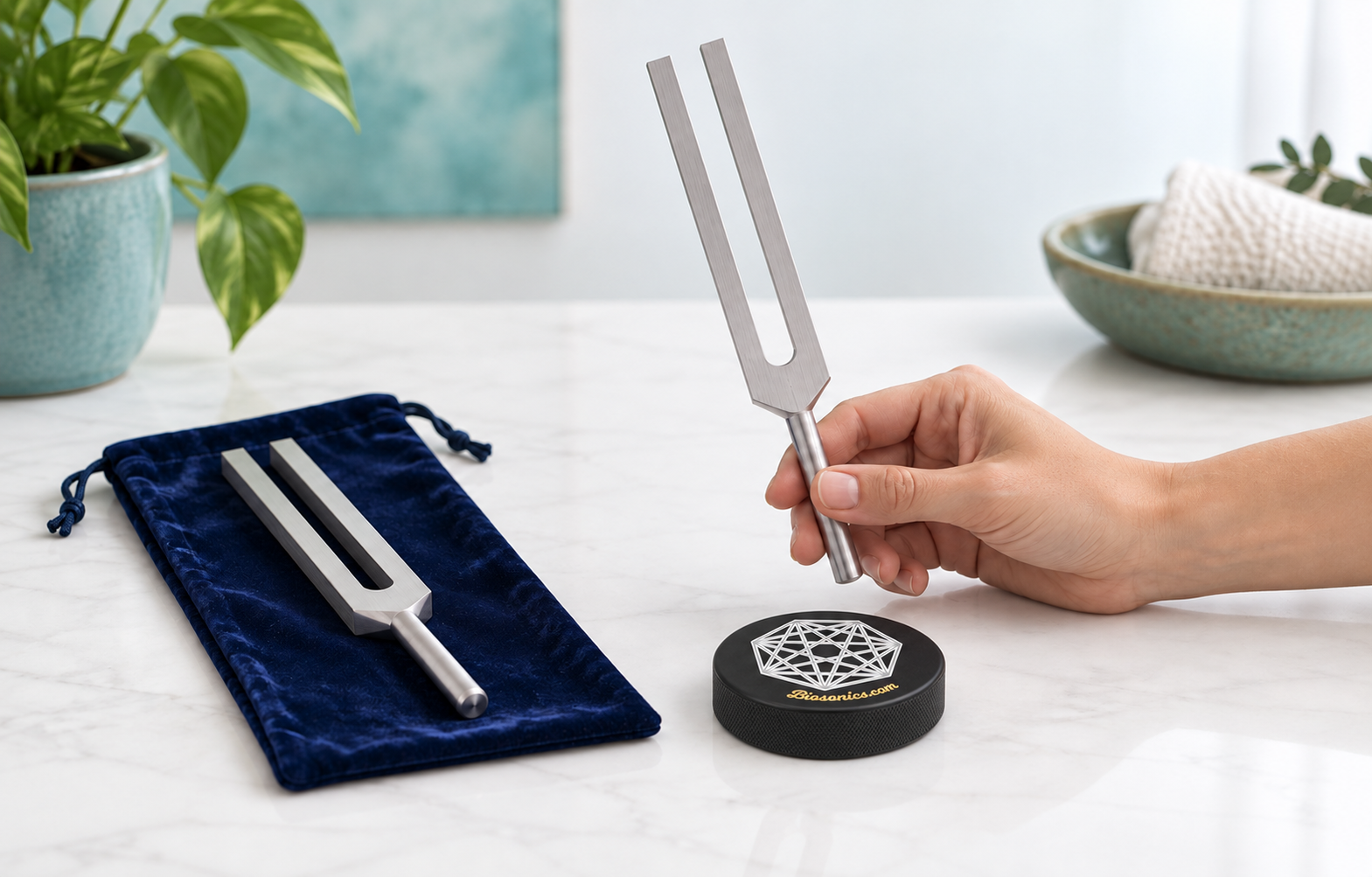
Keep the prongs free so they can vibrate. Sit comfortably in a quiet space.
Use a light tap on a purpose-made rubber activator. Avoid hard surfaces and excessive force.
Keep the fork away from your ear and bring it closer only while the sound stays comfortable. Never place it in the ear.
Let the sound fade before repeating. Stop if uncomfortable, then wipe the fork with a soft cloth and store it securely.
Using vibration on the body? Weighted forks require their own technique. Follow the product instructions or learn with a qualified instructor. Avoid injured, inflamed, or sensitive areas, and seek medical guidance for symptoms or a health condition.
Choose by the experience you want to explore. These are starting points for personal wellness and sound practice, not prescriptions for different illnesses.
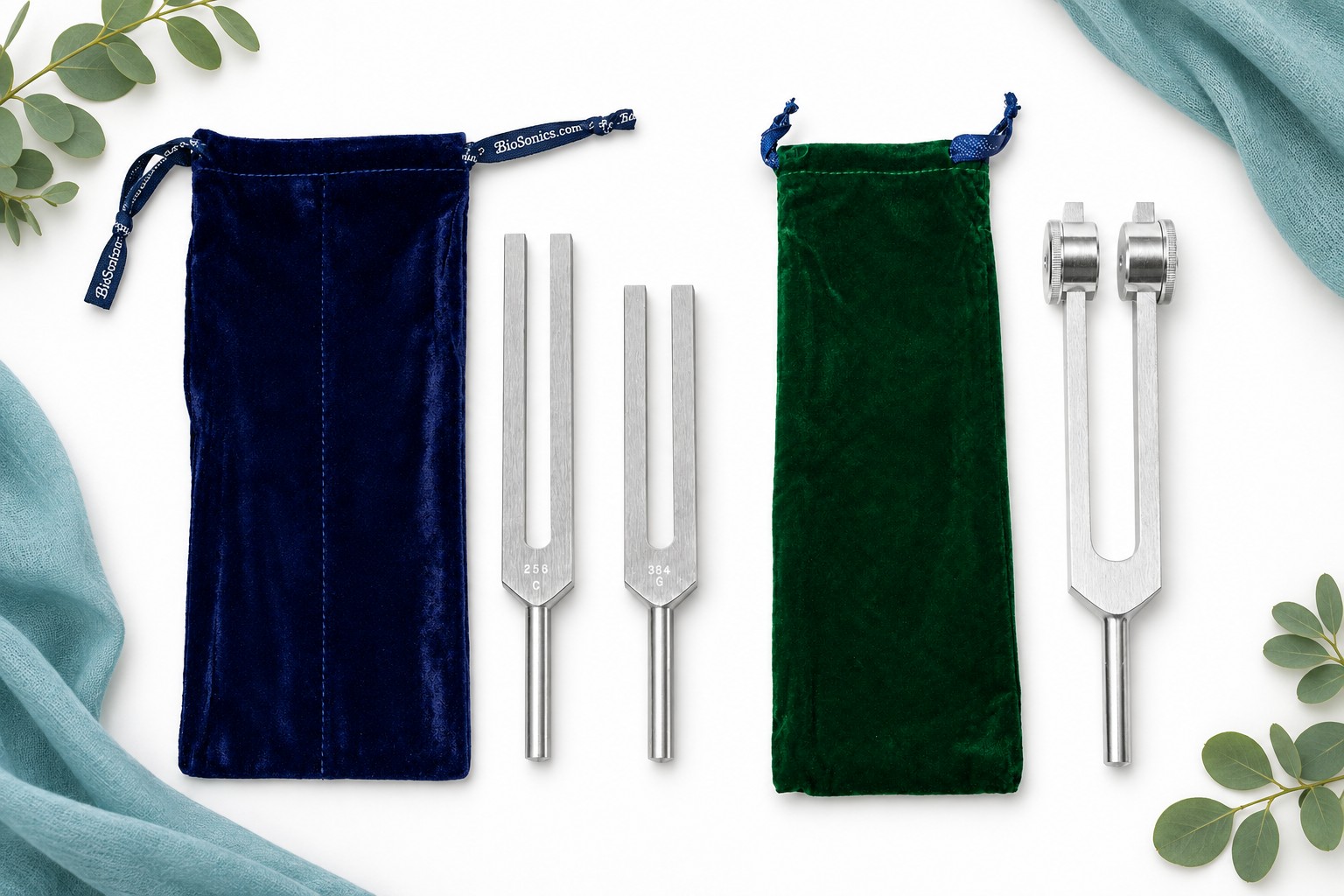
Body Tuners C256 & G384
A starting pair for exploring two tones, musical intervals, and attentive listening.
Explore Body TunersOtto 128 — weighted
Consider this fork if you prefer a low tone and want to learn a weighted-fork practice. Follow its specific handling instructions.
Explore Otto 128Body Tuners C256 & G384
Use the tones as an optional focus for a quiet listening routine. Choose whichever sound feels comfortable to you.
Read the Body Tuner guideCrystal Tuner 4096
For people interested in learning crystal-tuner techniques and compatible accessories. It is a higher-pitched option; activate lightly.
Read the Crystal Tuner guideThe following reference adapts the frequency list from the supplied Sound Healing Frequencies chart. It describes the chart’s associations, not proven “best frequencies” for health conditions. Choose a comfortable sound and a personal intention; an association is not a promised result.
The low ranges below describe electrical brain rhythms. They are not interchangeable with the pitch of a tuning fork, and listening to a tone with the same number does not guarantee that brain state. Range boundaries vary between sources.
| Chart range | Context |
|---|---|
| 0.5–4 Hz | Delta-range activity is associated with deep sleep; this is not a frequency prescription for sleep or “subconscious reprogramming.” |
| 4–8 Hz | Theta-range activity occurs in contexts including drowsiness. Meditation and creativity are themes in the chart, not guaranteed effects of a fork. |
| 8–14 Hz | Roughly overlaps the alpha range, commonly seen during relaxed wakefulness with eyes closed. It does not establish learning enhancement. |
| 14–30 Hz | Roughly overlaps beta activity seen during wakefulness. A matching sound is not established to improve problem-solving. |
| 40 Hz | Gamma-frequency sensory stimulation is being researched, including in Alzheimer’s disease. Research protocols are not equivalent to a 40 Hz tuning fork and do not establish it as a treatment. |
Chakra names below describe spiritual symbolism in the chart. They are not instructions to place a vibrating fork on the head, throat, an injury, or any other body location.
| Frequency | Listening intention | How to interpret it |
|---|---|---|
| 111 Hz | Spiritual contemplation | The chart links this to sacred or temple experiences; this is not a demonstrated therapeutic effect. |
| 136.1 Hz | Om-themed meditation | A symbolic listening focus for an Om practice; no specific health outcome is established. |
| 144 Hz | Symbolic alignment | The chart’s cellular alignment and DNA activation claims are not established medical benefits. |
| 174 Hz | Grounding and relaxation | A possible personal listening intention, not an established pain treatment. |
| 285 Hz | Restorative intention | The chart’s tissue repair and regeneration claims are not established medical benefits. |
| 396 Hz | Reflection on fear or guilt | An optional reflective theme; not a treatment for trauma or an anxiety disorder. |
| 417 Hz | Creativity and emotional reflection | The chart associates it with the sacral chakra; interpret this symbolically. |
| 432 Hz | Calm listening | The chart associates it with relaxation and clarity; it is not established as uniquely beneficial. |
| 528 Hz | Love and transformation | Use as a symbolic meditation theme; DNA repair is not an established effect. |
| 639 Hz | Connection and relationships | The chart associates it with the heart chakra; not a guaranteed emotional-healing result. |
| 741 Hz | Intuition and self-expression | A symbolic throat-chakra theme; detoxification is not an established effect. |
| 777 Hz | Spiritual reflection | A symbolic theme of alignment or wisdom, not a medical outcome. |
| 852 Hz | Awareness and contemplation | The chart’s third-eye association is spiritual symbolism, not a physiological claim. |
| 888 Hz | Abundance-themed reflection | Prosperity and energy are symbolic themes; physical regeneration is not established. |
| 963 Hz | Spiritual connection | A symbolic crown-chakra or enlightenment theme, not a demonstrated healing effect. |
Choosing a BioSonics fork: The Body Tuners and Otto recommendations above are based on instrument type and practice style. They are not substitutes for the chart’s other frequencies. Check the actual frequency marked on the product and follow its own instructions.
Further reading: American Epilepsy Society: normal EEG rhythms · NIA: ongoing Alzheimer’s research · NCCIH: music and health
These recommendations do not establish that a particular tuning-fork frequency treats pain, anxiety, sleep disorders, or other conditions. Research on music-based interventions cannot automatically be applied to individual tuning forks. Use this guide for wellness education alongside appropriate healthcare.
Read NCCIH's overview of music and healthExplore the instruments
Compare core BioSonics forks from low to high. Open a product photo to shop; hover over or open “Practice uses” for wellness and spiritual associations.
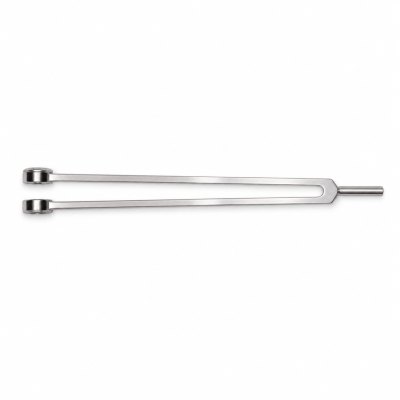
Notes are the nearest equal-tempered pitch at A4 = 440 Hz, not exact tuning equivalents. BioSonics C256/G384 instruments use a different reference. Set photos show the complete set, not a separately sold fork.
Weighted
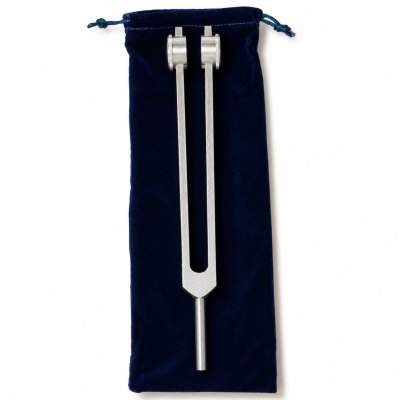
Weighted
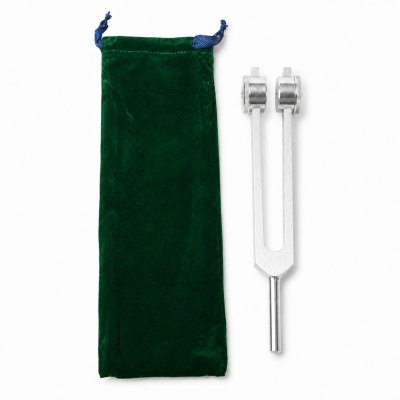
Weighted
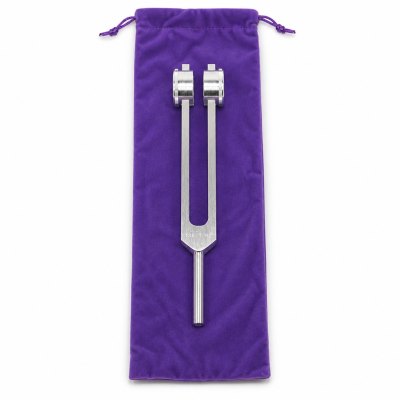
Weighted
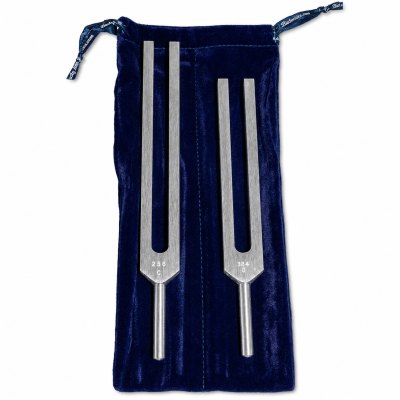
In a 2-fork set
In a 2-fork set
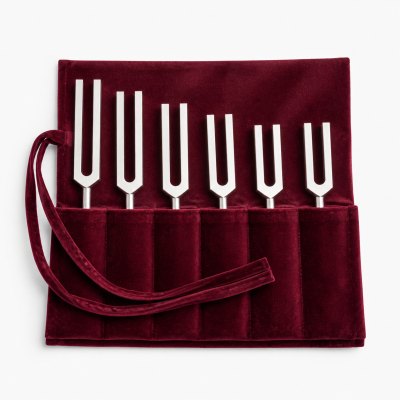
In a 6-fork set
In a 6-fork set
In a 6-fork set
In a 6-fork set
In a 6-fork set
In a 6-fork set
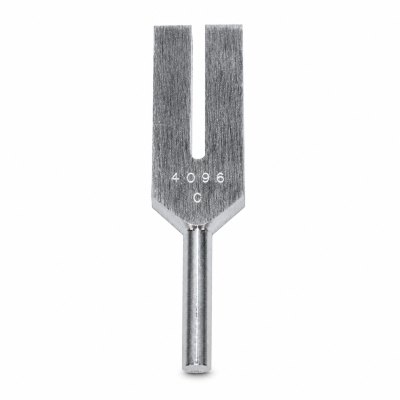
Unweighted
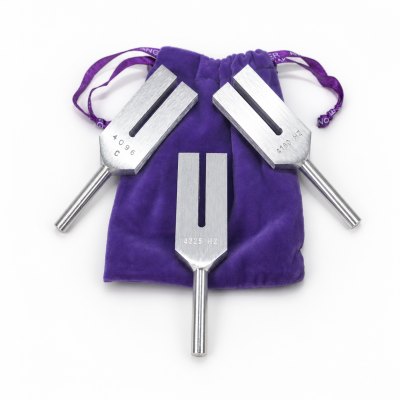
In a 3-fork set
In a 3-fork set
In a 3-fork set
These uses describe practice intentions, not proven treatments. Choose a comfortable volume and follow the product instructions. For persistent symptoms, seek appropriate healthcare.
Weighted forks produce a vibration that can be felt through the handle during appropriate contact. Sound-healing practitioners use them in body-focused relaxation practices. Frequency alone does not establish an effect on a particular tissue or condition.
Use gentle activation and the product-specific instructions. Avoid injured or sensitive areas. Persistent pain or other symptoms need appropriate healthcare assessment.
These associations describe contemporary sound-healing and spiritual practices. They do not establish that tones remove biofield blockages or treat emotional or physical disorders.
What is in the BioSonics set? The six-fork set contains 396, 417, 528, 639, 741, and 852 Hz. The additional 174, 285, and 963 Hz entries above are context from an expanded system, not included forks.
Frequencies around 4096 Hz and above are associated in some sound-healing practices with space-clearing rituals, aura symbolism, and contemplative attention. These are spiritual or personal intentions, not demonstrated removal of negative energy or guaranteed cognitive benefits.
BioSonics Angel Tuners and the Crystal Tuner are distinct products; a shared frequency range does not make the products or their instructions interchangeable. Use a gentle strike, comfortable listening distance, and each product’s own guidance. Do not apply a high-frequency fork to the head based on a general chart.
Practice context adapted from the supplied reference; it is not clinical evidence. Read NCCIH’s music and health overview. .
BioSonics reference library
Search editable BioSonics frequency notes, tuner families, product context, and learning resources.
Core BioSonics Body Tuner frequency context for product education and guided selection.
Crystal tuner education entry for crystal accessories, wands, and related resources.
Companion Body Tuner context for shoppers comparing C and G product education.
Weighted Otto tuner education entry for product family and use-case comparison.
Structured starting point for planetary tuner families and related product categories.
Interactive listening lab
Move through audible frequency ranges, compare BioSonics references, and discover the grounding, reflective, meditative, and clarity-focused traditions connected with each part of the spectrum.
Frequency-specific healing claims have not been established clinically. Use these tones as short listening, meditation, and product-education cues. The browser preview starts at 100% of its controlled tone level, so lower your device volume before pressing Play and stop if you notice discomfort, ringing, or fatigue.
Choose a frequency, then press Play tone.
Selected range
Centering and focused listening
Listen for 10-20 seconds, pause, and notice tone, vibration, attention, and emotional response without trying to force an outcome.
Select a familiar reference, then play it at a comfortable device volume.
“Traditionally associated with” describes cultural, musical, or contemporary sound-wellness use. It does not mean that a pure tone at that frequency diagnoses, cures, or treats a disease. Research on music-based interventions studies broader musical experiences and professional music therapy, not a universal medical effect from one number.
Loudness and exposure time matter more for hearing safety than the number shown in hertz. Keep volume low, take breaks, and never raise high frequencies just to make them audible. Read guidance from the World Health Organization and the National Center for Complementary and Integrative Health.
Customer access
Simplified store
Start with a path, then narrow into product families only when needed.
Unified support
Find help by task: order support, policies, product learning, protocols, and training.
Send a technical report to the BioSonics developer. Do not include passwords, payment details, health information, or other sensitive information.
Ask about products, orders, classes, account tools, videos, podcasts, or the BioSonics knowledgebase.
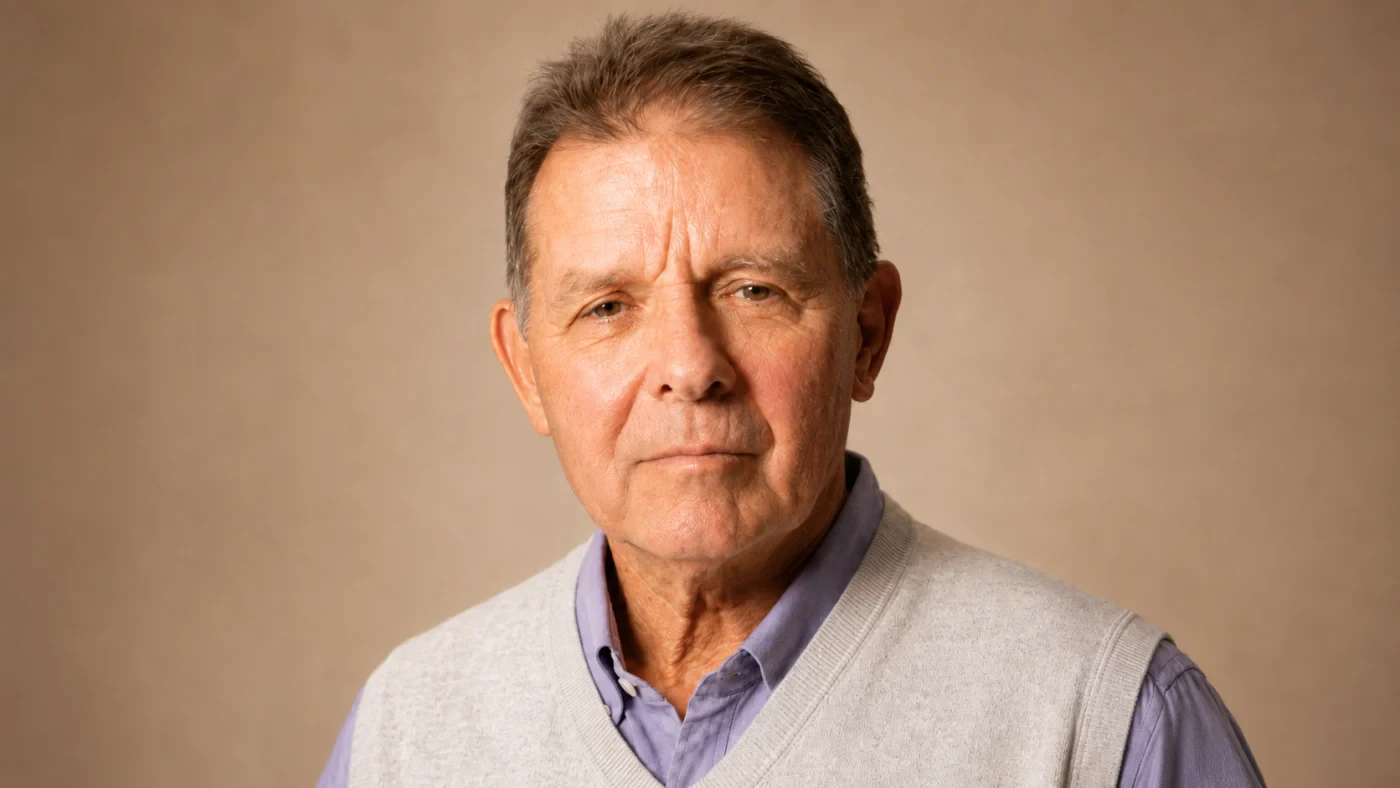
Hello. I am Digital Dr. John, your BioSonics website concierge. How may I help?
Do not share passwords, payment details, security codes, or private health information.